
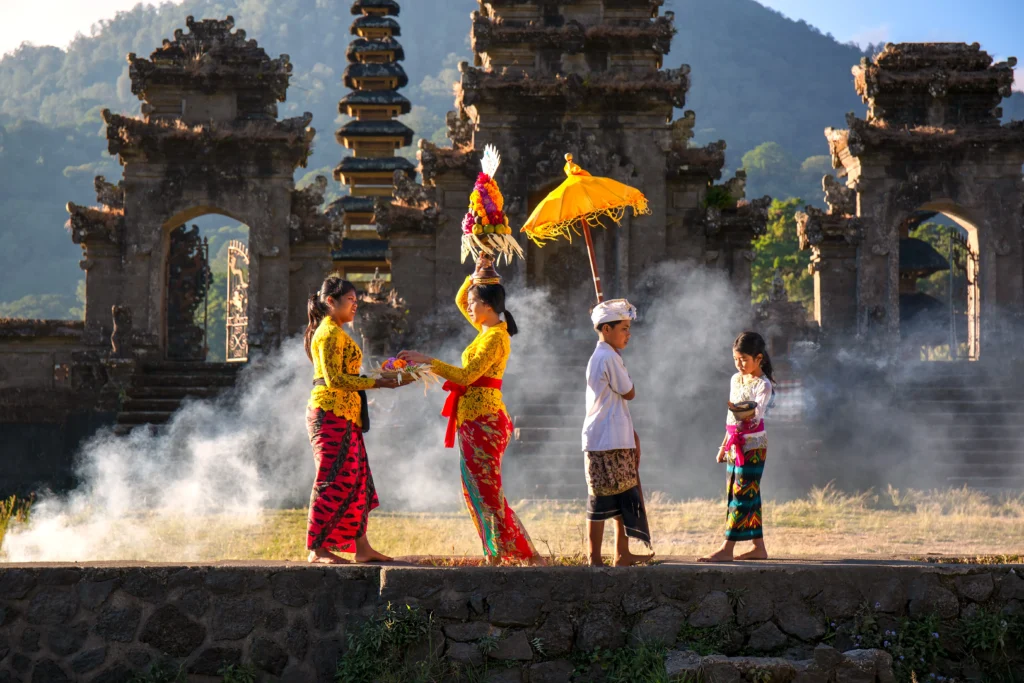
For ten days every 210 days, the island of Bali undergoes a breathtaking transformation. Streets lined with gracefully arched bamboo poles (penjor) set against the sky, families dressed in resplendent ceremonial white, and an air of profound joy and devotion mark the twin festivals of Galungan and Kuningan. More than just holidays, these days are the heartbeat of Balinese Hindu culture, offering visitors a rare and beautiful window into the island’s soul. This is your guide to understanding and respectfully experiencing these iconic celebrations.
The Meaning Behind the Festivities: Dharma’s Victory
At its core, Galungan celebrates the victory of Dharma (goodness/order) over Adharma (evil/chaos). It is a time when the ancestral spirits are believed to descend to their former homes. The Balinese prepare tirelessly to welcome these spirits, expressing gratitude and reinforcing familial and cosmic bonds.
Kuningan, celebrated ten days later on the following Saturday, marks the culmination. On this day, offerings are made as the ancestors and deities return to the heavens, carrying with them the blessings and prayers of the living. The name “Kuningan” comes from kuning (yellow), referring to the yellow turmeric rice that features prominently in the day’s offerings.
A Journey Through the 10-Day Ritual Cycle
The celebration is a carefully orchestrated series of rituals:
– The Preparation (Days Before): Families clean their homes and temples, craft intricate offerings (banten), and erect the iconic penjor—tall, decorated bamboo poles adorned with coconut leaves, flowers, and harvest products, symbolizing gratitude and the generous spirit of the universe.
– Galungan Day (The Main Day): The pinnacle. Families gather in their finest attire for prayers at their family temples (sanggah). The air fills with the scent of incense and the sound of prayers. It’s a day of joyful reunion, both with living family and ancestral spirits.
– The Interval Days: A period for relaxation, family visits, and community gatherings. You might see wayang (shadow puppet) performances recounting ancient epics.
– Kuningan Day (The Farewell): The final day of the cycle. Special offerings, often including the symbolic yellow rice, are made in a final, heartfelt send-off to the ancestors. Prayers are held in the morning, as it is believed the spirits depart by noon.
Where to Experience the Festivals
To feel the full impact, venture beyond the resort areas:
1. Traditional Family Compounds: While private, observing from a respectful distance on public paths in villages like Pengosekan or Mas lets you see the intimate family rituals. The dedication in preparing offerings is a sight to behold.
2. Village Main Streets: For the most spectacular displays of penjor, walk the streets of Sayan or Kedewatan in Ubud. Each family competes in beauty and creativity, creating a majestic, canopy-like effect.
3. Pura Besakih (The Mother Temple): Experiencing Galungan at Bali’s holiest site is profound. The scale of devotion here, with thousands of pilgrims ascending the slopes of Mount Agung, is unforgettable. Hire a licensed guide for context and to ensure respectful behavior.
4. Local Markets in the Days Before: Visit markets like Sukawati Art Market or Gianyar Night Market before Galungan. They buzz with energy as families shop for ceremonial supplies—towering piles of fruit, fragrant temple flowers, and woven offering baskets.
A Traveler’s Guide: Tips for a Respectful Visit
Experiencing Galungan and Kuningan is a privilege. Here’s how to do it right:
– Observe, Don’t Intrude: You are a guest at a sacred family and community event. Watch quietly from a public space. Never walk into a family compound or temple courtyard uninvited. Use a long zoom lens for photography.
– Dress Modestly, Always: This is crucial, especially near temples. Wear a sarong and sash (often available for rent or loan at temple entrances). Keep shoulders and knees covered in public areas throughout the festival period.
– Embrace the Slowdown: Traffic, especially on Galungan and Kuningan mornings, will be heavy. Roads near major temples may close. Be patient, plan extra travel time, and consider the festive procession part of the experience.
– Support Local: Many small warungs (eateries) may be closed as families celebrate. Plan meals at hotel restaurants or seek out larger local restaurants. It’s a great time to try special festival foods like lawar (spiced vegetable salad), babi guling (suckling pig), or sate lilit (minced satay).
– Engage with a Guide: The best way to gain deep understanding is with a knowledgeable local guide. They can explain rituals, translate prayers, and facilitate respectful interactions.
Conclusion: More Than a Spectacle
To witness Galungan and Kuningan is to see Bali at its most authentic. It’s a vibrant, living tradition where faith, community, and artistry intertwine. It’s in the rustle of a penjor, the focused devotion during a prayer, and the shared smiles of families in their finest clothes. By approaching with an open heart, quiet respect, and a willingness to learn, you won’t just see a festival—you’ll feel the profound spirit of Dharma that defines the Island of the Gods.


