
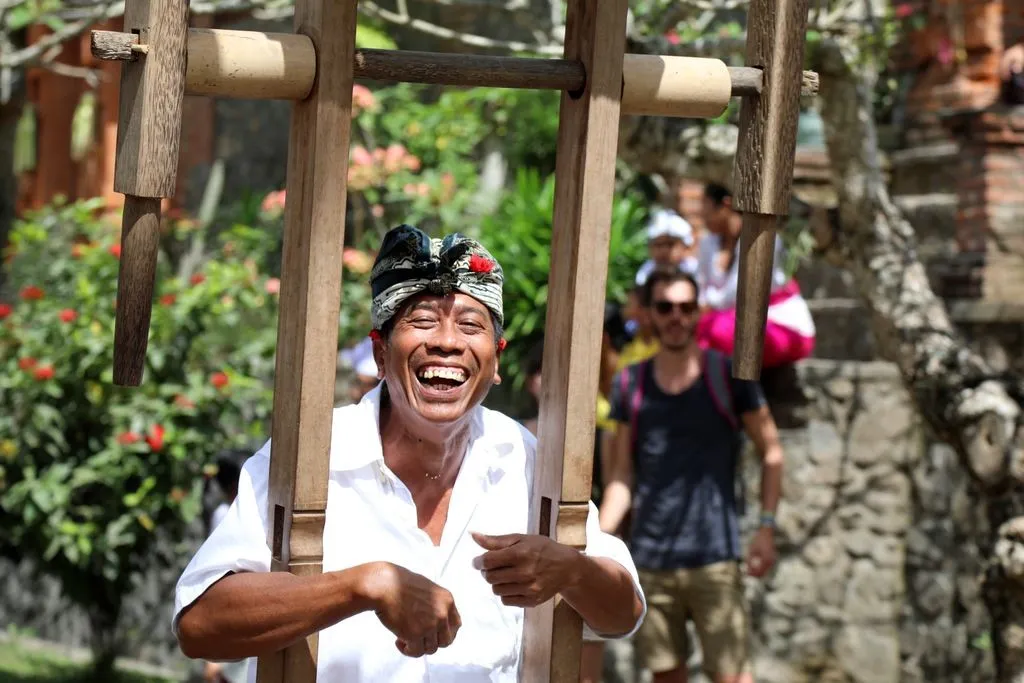
Bali’s magic isn’t just found in its temples and tides—it lives in the daily interactions, the subtle gestures, and the profound respect that forms the foundation of Balinese society. For visitors, understanding this unspoken social language is the key to transforming a simple vacation into a deeply connective journey. This guide delves into the essential etiquette that will help you move through Bali with grace, showing respect for its culture and building genuine rapport with its people.
Why Etiquette is Your Most Important Travel Essential
In Bali, how you behave is as important as where you go. This isn’t about rigid rules, but about understanding context.
– Respecting a Spiritual Landscape: Bali is a living cultural tapestry where the spiritual and mundane intertwine. Everyday actions—from how you point to where you step—carry meaning. Your mindfulness honors this unique worldview.
– Unlocking Authentic Connections: Politeness is the passport to warmth. When you demonstrate cultural awareness, you often receive kindness in return, opening doors to more authentic exchanges and insights.
– Ensuring a Smooth Journey: A respectful demeanor helps navigate situations smoothly, from market negotiations to resolving minor service hiccups. It’s the social lubricant that makes everything work better.
The Pillars of Balinese Social Grace: Actions Speak Louder
Beyond words, your physical demeanor communicates volumes.
1. The Sacred and the Mundane: Knowing Where You Stand
– The Head and Feet: The head is considered the holiest part of the body, the feet the lowest. Never pat someone (especially a child) on the head. Avoid pointing your feet at people or, most importantly, at sacred objects like temple offerings or statues.
– The Right Hand Rule: The left hand is traditionally considered unclean. Always offer and receive money, gifts, or food with your right hand. For greater respect, support your right forearm with your left hand.
– The Language of Hands: Pointing with a single finger is considered rude. To indicate a direction or person, use your full right hand with the palm gently upturned.
2. Temple and Home Entry: A Gesture of Humility
– Removing Shoes: This is non-negotiable. Always remove footwear before entering any home, warung (small shop) with a seated area, and of course, all temples. Look for piles of sandals outside as your cue.
– Dressing the Part: When visiting temples, proper attire is a must. Both men and women must wear a sarong and a sash (selendang), usually available for rent or loan at major temples. Keep shoulders and knees covered.
3. Composure is King: The Art of Selamat
– Calm and Collected: Public displays of anger, loud shouting, or overt frustration (marah) are deeply frowned upon and cause loss of face for all involved. If there’s an issue, a calm, patient, and polite approach will always yield a better resolution.
– The Power of a Smile: A genuine smile is a universal language of goodwill. It’s a disarming and friendly gesture that accompanies greetings, thanks, and even gentle apologies.
Verbal Harmony: The Tone of Connection
Your choice of words and how you deliver them sets the tone for every interaction.
– Greetings with Heart: A simple, smiling “Selamat pagi/siang/sore/malam” (Good morning/afternoon/evening/night) is immensely appreciated. The effort to speak even basic Indonesian shows respect.
– The Magic Words: Master these three phrases:
>> “Terima kasih” (Thank you) – Add “banyak” (very much) for extra warmth.
>> “Maaf” (Sorry/Excuse me) – Use this to apologize, get attention politely, or gently navigate through a crowd.
>> “Permisi” (Excuse me) – For when you need to pass by or interrupt respectfully.
– Titles Denote Respect: Use “Bapak” (Sir/Mr.) or “Ibu” (Madam/Ms.) when addressing someone older or in a formal context, followed by their first name if you know it (e.g., Ibu Wayan). Avoid using just “Hey” or “You.”
Navigating Interactions: From Markets to Monuments
– At the Market: Bargaining is expected, but do it with a smile and a sense of playful exchange, not confrontation. Start at about half the asking price and meet in the middle. If you’re not interested, a polite “Tidak, terima kasih” (No, thank you) with a smile is enough.
– During Ceremonies: If you encounter a procession or ceremony, observe quietly from a respectful distance. Do not walk in front of people praying, step over offerings, or use a flash camera. Your quiet observation is a sign of respect.
– With Service Staff: Treat drivers, housekeepers, and waitstaff with the same kindness you would anyone else. A little patience and polite requests go much further than demands.
Conclusion: Traveling with Heart
Embracing Balinese etiquette is ultimately about traveling with intention and heart. It’s recognizing that you are a guest in a culture with a rich, complex tapestry of traditions. By moving gently, speaking softly, and observing mindfully, you do more than just avoid offense—you actively participate in the island’s cherished harmony (rukun). This conscious approach will not only earn you smiles and goodwill but will also deepen your own experience, allowing you to connect with the true spirit of Bali, one respectful interaction at a time.


